Serious Incidents Shake Den Ham: A Call for Enhanced Safety
Den Ham, a picturesque village nestled in the heart of Overijssel, known for its serene landscapes and close-knit community, has recently found itself at the centre of a series of alarming incidents. From severe road collisions necessitating critical rescue operations to a harrowing fire pit accident resulting in life-altering injuries, these events have underscored the unpredictable nature of daily life and the critical importance of safety awareness. This comprehensive article delves into the specifics of these recent occurrences, examining the details surrounding each ongeval Den Ham has witnessed and offering crucial insights into prevention and safety. Our aim is to not only inform but also to empower residents with knowledge that can help prevent future tragedies and foster a safer environment for everyone.
The Gravity of Recent Road Incidents in Den Ham
The past Sunday proved to be a particularly challenging day on Den Ham's roadways, with two separate, single-vehicle accidents resulting in multiple injuries and prompting extensive emergency operations. Both incidents highlight the immediate dangers present on our roadways and the devastating consequences that can arise from a momentary lapse in control or adverse driving conditions. These concurrent events underscore a concerning trend and prompt crucial questions about road safety practices within the community.
Ommerweg Collision: A Nighttime Ordeal
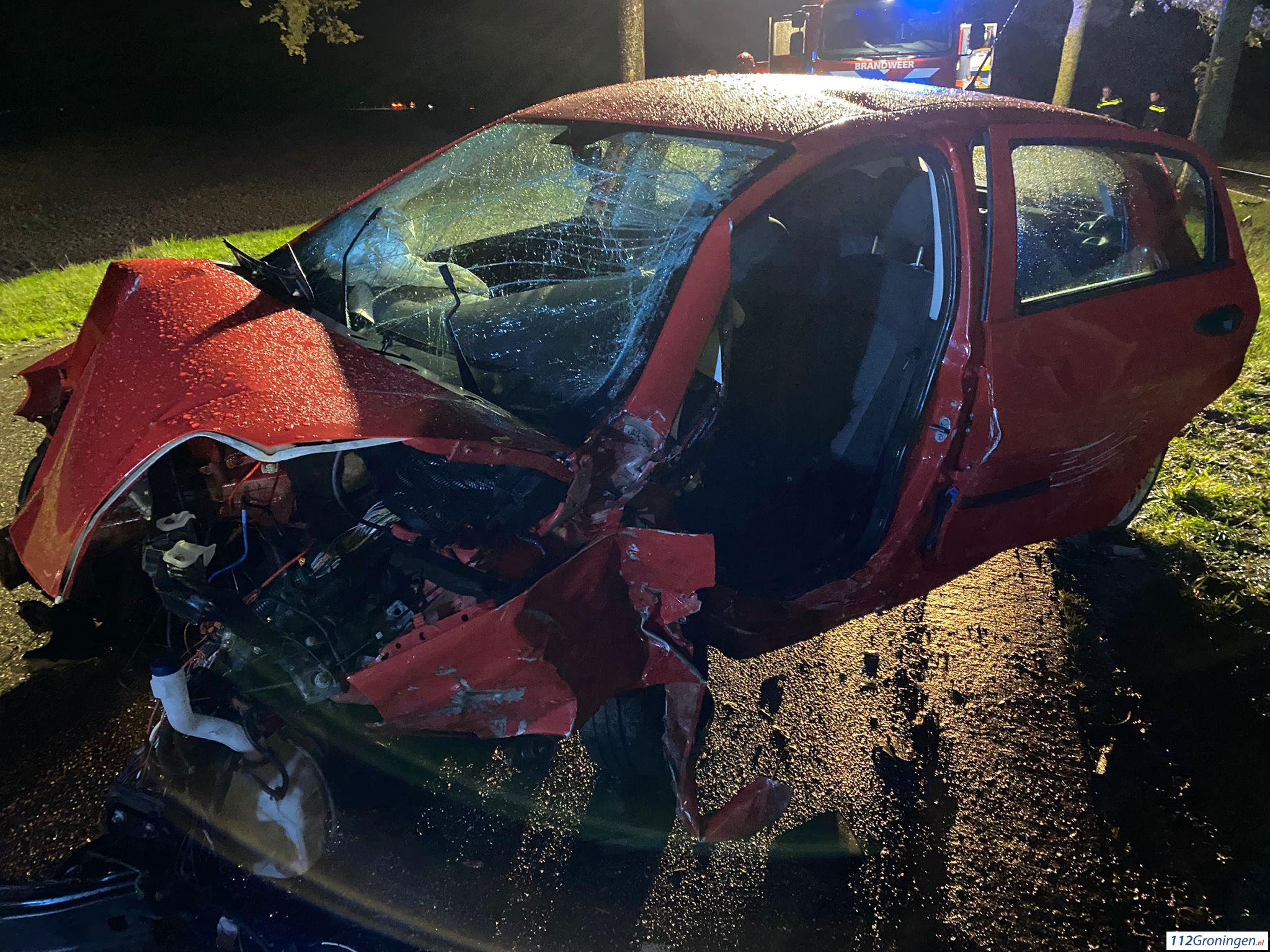
The first of these alarming road incidents occurred on the N341 Ommerweg on Sunday evening. According to official reports, the driver of a vehicle lost control, veering off the road and tragically colliding with a tree located in the berm. The impact was severe, trapping the occupants inside the mangled wreckage and necessitating the swift intervention of the fire brigade for their delicate extraction. Four individuals sustained injuries in this serious ongeval Den Ham, with two requiring immediate hospitalization after being assessed by experienced ambulance personnel at the scene. The gravity of the crash warranted a comprehensive response, including multiple police units, fire tenders, and ambulances, complemented by the crucial deployment of a trauma helicopter, which landed in a nearby field to provide advanced medical aid. Police have since launched a thorough investigation to ascertain the precise factors that led to the driver losing control, exploring possibilities such as speed, distraction, or environmental factors.
Sietse Veldstraweg Incident: Morning Mayhem
Earlier that same Sunday, a separate, equally concerning single-vehicle accident unfolded on the Sietse Veldstraweg in Den Ham. Occurring around 10:30 AM, this incident also involved four individuals, two of whom suffered notably serious injuries. All victims were transported to the hospital for urgent medical attention and further treatment. Like the Ommerweg crash, the police are actively investigating the circumstances surrounding this ongeval Den Ham, striving to understand the sequence of events that culminated in such significant harm. These two incidents, occurring within hours of each other, serve as a stark reminder of the ever-present risks on our roads. For more in-depth information on these specific road incidents, you can refer to our detailed coverage: Den Ham Road Crashes: Four Injured, Police Investigate.
Beyond the Road: The Fire Pit Fiasco on Weelinckbroek
Adding to the community's distress, Den Ham also recently experienced a severe incident involving a fire pit, a stark reminder that dangers are not confined solely to roadways. This harrowing event, which occurred around midnight on the Weelinckbroek, resulted in one person sustaining extremely serious burn injuries, highlighting the inherent risks associated with open flames.
Details surrounding what exactly went wrong with the fire pit remain unclear, but the consequences were immediate and severe. The victim suffered extensive burn wounds, prompting an urgent call to emergency services. Given the critical nature of the injuries, a trauma helicopter was again dispatched, landing in a field near the Esweg, just outside Den Ham. A specialized trauma team provided crucial on-site medical stabilization, often involving advanced airway management and pain control, before the victim was transported via ambulance to a specialized burn unit in a hospital in Groningen. A trauma-doctor accompanied the patient throughout the transfer, ensuring continuous high-level medical care during the critical journey. To facilitate the emergency response and ensure the safety of both victims and responders, local police temporarily closed off the area, ensuring responders had unimpeded access to the scene. This incident serves as a potent reminder of the inherent risks associated with open flames and the absolute necessity of strict safety protocols when using fire pits or similar outdoor heating elements.
The Unseen Heroes: Emergency Services in Action
In the face of these multiple serious incidents, the collective response of Den Ham's emergency services has been nothing short of commendable. The rapid deployment and seamless coordination between various agencies – the police, fire brigade, ambulance services, and the specialized trauma helicopter teams – were crucial in mitigating further harm and providing immediate, life-saving care to the injured.
For instance, in the Ommerweg crash, the fire brigade's expertise was vital in extricating trapped individuals from the mangled vehicles, demonstrating their technical proficiency and bravery under immense pressure. Ambulance crews, both at the scene and during transport, provided critical first aid, stabilized patients, and managed pain, preparing them for hospital care. The repeated activation of the trauma helicopter, as seen in both the Ommerweg collision and the Weelinckbroek fire pit incident, powerfully highlights the severity of the injuries sustained. These aerial units bring advanced medical expertise directly to the scene, often making the difference between life and death by initiating specialized treatment long before a hospital is reached, saving precious minutes. You can find more details about these critical aerial responses and the vital role they play here: Trauma Helicopter Responds to Den Ham Incidents. The police, beyond investigating the causes of each ongeval Den Ham has faced, played a vital role in securing scenes, managing traffic, directing bystanders, and ensuring the overall safety of both victims and responders. Their collective efforts underscore the backbone of community safety and emergency preparedness, turning chaos into organized relief.
Prioritizing Safety: Lessons from Den Ham's Incidents
The recent cluster of serious incidents in Den Ham offers a sobering opportunity for reflection and renewed commitment to safety. While accidents can sometimes seem unavoidable, many can be prevented through conscious effort, adherence to established safety guidelines, and increased awareness. Understanding the common causes and implementing preventative measures is key to avoiding future tragedies and protecting ourselves and our loved ones.
Road Safety: Steering Clear of Danger
Single-vehicle accidents, like those on the Ommerweg and Sietse Veldstraweg, often result from a loss of control, which can be attributed to several factors. Here are critical tips for drivers to enhance road safety:
- Maintain Focus: Distracted driving (e.g., mobile phones, eating, interacting with passengers, adjusting infotainment systems) significantly reduces reaction time and increases accident risk. Keep your eyes and mind solely on the road.
- Adhere to Speed Limits: Excessive speed not only reduces your ability to react to sudden hazards but also drastically increases the severity of any impact. Always adjust your speed to prevailing road conditions, especially in adverse weather or on unfamiliar roads.
- Avoid Impaired Driving: Never drive under the influence of alcohol or drugs, including certain prescription medications that impair judgment. Plan for a designated sober driver or alternative transportation.
- Regular Vehicle Maintenance: Regularly check essential components such as tires (for pressure and tread depth), brakes, lights, and fluid levels. A well-maintained vehicle is inherently safer and more reliable.
- Anticipate Conditions: Be acutely aware of weather changes (rain, fog, ice, strong winds) and adjust your driving style and speed accordingly. Reduced visibility and slippery roads demand extra caution.
- Rest Before Driving: Fatigue can impair your judgment and reaction time as much as alcohol. Ensure you are well-rested, particularly for long journeys, and take regular breaks.
These practices are fundamental to road safety and can drastically reduce the likelihood of a serious ongeval Den Ham or anywhere else.
Fire Pit Safety: Enjoying the Warmth Responsibly
While fire pits offer wonderful warmth and ambiance for outdoor gatherings, they pose significant burn risks if not handled with extreme care. The incident on Weelinckbroek serves as a stark reminder of how quickly enjoyment can turn into a life-threatening situation. To prevent such painful and potentially life-altering injuries, consider these essential safety measures:
- Proper Placement: Always position fire pits on a level, non-combustible surface (e.g., dirt, concrete, gravel, stone pavers) at least 10 feet (approximately 3 meters) away from any structures, fences, overhanging trees, or dry vegetation.
- Clear Surroundings: Ensure there are absolutely no flammable materials nearby, including dry leaves, grass, woodpiles, outdoor furniture, or any combustible debris.
- Supervision is Key: Never, under any circumstances, leave a fire pit unattended, even for a moment. Children and pets should always be kept at a safe distance and closely supervised around open flames.
- Use Appropriate Fuel: Only burn dry, seasoned firewood. Avoid using accelerants like gasoline, lighter fluid, or kerosene, which can cause dangerous and explosive flare-ups.
- Keep Extinguishing Tools Handy: Always have a bucket of water, sand, or a readily accessible fire extinguisher nearby to quickly douse any uncontrolled flames or embers.
- Completely Extinguish: Before leaving the fire pit, ensure the fire is completely out. Douse all embers with water, thoroughly stir the ashes, and repeat until all ashes are cool to the touch.
- Wear Appropriate Clothing: When tending to a fire pit, avoid wearing loose-fitting clothing that could easily catch fire.
Following these simple but critical guidelines can help ensure that enjoying a fire pit remains a safe and pleasant experience, free from the risk of a serious burn ongeval Den Ham residents recently experienced.
Conclusion
The recent cluster of serious incidents, from devastating road crashes to a severe fire pit accident, has undoubtedly cast a shadow over Den Ham. These events serve as potent reminders of how quickly circumstances can change and the severe consequences that can follow from a moment's lapse or unforeseen circumstances. While emergency services demonstrated exemplary courage, coordination, and professionalism in their rapid and effective response, the ultimate responsibility for safety often lies with individuals. By adopting proactive safety measures, exercising caution, and remaining vigilant in our daily lives, both on the road and at home, we can collectively work towards a safer Den Ham. Let these unfortunate events be a catalyst for renewed safety awareness and a deeper commitment to prevention, fostering a community where such serious injuries become increasingly rare, and the tranquility of Den Ham can truly prevail.